
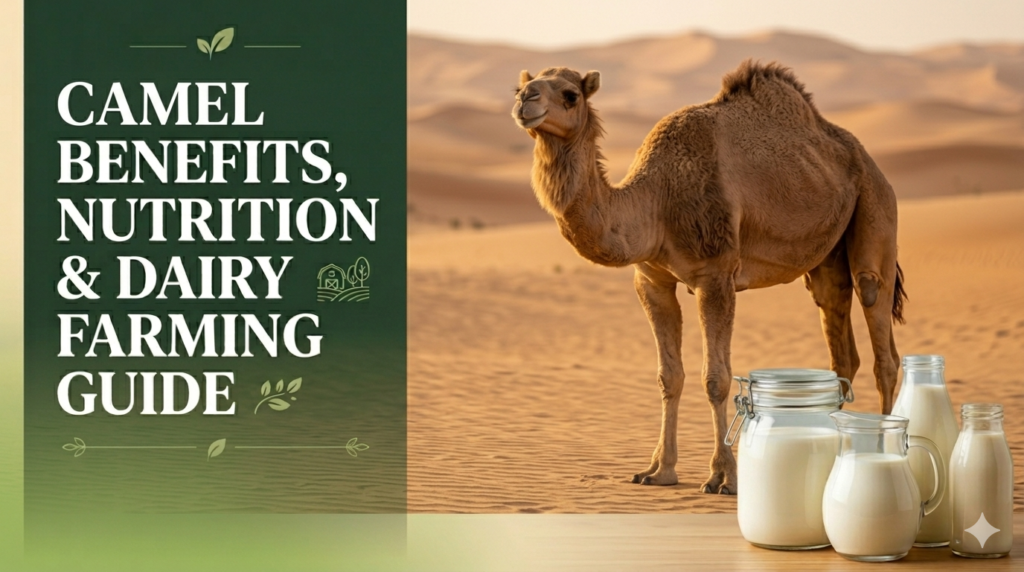
Camel milk is one of the most unique and culturally significant dairy products in the Middle East. In the United Arab Emirates (UAE), it holds a special place in both tradition and modern nutrition. Long valued by Bedouin communities for its ability to sustain life in desert conditions, camel milk is now gaining global attention for its health benefits and rich nutritional profile.
Today, more people are rediscovering camel milk not just as a traditional drink, but as a powerful natural superfood that fits modern healthy lifestyles.
In this guide, we explore everything you need to know about camel milk in the UAE—its benefits, nutrition, farming practices, uses, and where you can find it.
What is Camel Milk?
Camel milk is the nutrient-rich milk produced by female camels. It has been consumed for thousands of years across desert regions, especially in the Middle East, North Africa, and parts of Asia.
It is known for:
- Light, slightly salty taste
- Thin consistency compared to cow or buffalo milk
- High nutritional value
- Natural resistance to harsh desert conditions
Camel milk is often consumed fresh, but it is also processed into products such as:
- Yogurt
- Cheese (limited production)
- Powdered milk
- Flavored dairy drinks
In the UAE, camel milk is considered both a cultural heritage food and a modern health product.
Camel Milk in UAE Culture and Tradition
Camel milk is deeply rooted in Emirati heritage. Historically, it was a vital source of nutrition for Bedouin families living in desert environments where other dairy sources were limited.
It was valued because:
- Camels can survive extreme heat and produce milk in harsh conditions
- Milk can be stored and consumed fresh without heavy processing
- It provides hydration and energy in desert life
Today, camel milk remains an important symbol of tradition and sustainability in the UAE, blending heritage with modern farming innovation.
Nutritional Value of Camel Milk
Camel milk is highly nutritious and differs significantly from cow and buffalo milk in composition.
Key Nutrients in Camel Milk:
- Vitamin C (higher than cow milk)
- Iron
- Potassium
- Magnesium
- Calcium
- Protein
- Healthy fats
- Natural immunoglobulins
What Makes It Special:
- Lower fat content compared to buffalo milk
- Easier to digest for many people
- Rich in natural immune-supporting compounds
- Contains insulin-like proteins (naturally occurring)
This makes camel milk a popular choice among people looking for natural wellness-focused foods.
Health Benefits of Camel Milk
Camel milk is often referred to as a functional food due to its potential health benefits.
1. Supports Immune System
Camel milk contains natural antibodies and proteins that may help strengthen the immune system.
2. Easier to Digest
It has a different protein structure compared to cow milk, making it easier for some people to digest.
3. Rich in Vitamin C
Camel milk contains significantly higher levels of vitamin C, which supports skin health and immunity.
4. Supports Energy and Hydration
Traditionally, it was consumed in desert regions to maintain energy and hydration levels.
5. May Help Blood Sugar Regulation
Camel milk contains insulin-like proteins that are being studied for their potential role in blood sugar balance.
6. Good for Skin and Wellness
Its nutrient profile supports overall skin health and body nourishment.
Camel Milk vs Cow Milk vs Buffalo Milk
Understanding the differences helps consumers choose what suits their needs.
Camel Milk:
- Light and watery
- High vitamin C content
- Easier digestion for many people
- Lower fat content
- Strong traditional value
Cow Milk:
- Balanced nutrition
- Widely available
- Lighter than buffalo milk
- Common daily choice
Buffalo Milk:
- Thick and creamy
- High in fat and protein
- Very rich and calorie-dense
- Used in desserts and dairy products
Each type of milk has its own benefits depending on lifestyle and dietary needs.
Camel Farming and Milk Production in the UAE
Camel farming in the UAE is a blend of tradition and modern agricultural technology.
Key Features of Camel Milk Production:
- Camels are well adapted to desert climates
- Farms use modern milking systems for hygiene and efficiency
- Milk is collected under controlled conditions
- Immediate cooling ensures freshness and safety
- Regular quality testing is performed
The UAE is home to some of the most advanced camel dairy farms in the world, combining heritage farming with modern food safety standards.
Traditional and Modern Uses of Camel Milk
Camel milk is versatile and used in both traditional and modern ways.
Traditional Uses:
- Fresh drinking milk
- Fermented milk drinks
- Used during long desert journeys for hydration
Modern Uses:
- Flavored camel milk beverages
- Camel milk ice cream
- Skincare products (soap, lotions)
- Health-focused dairy drinks
Its unique taste also makes it popular in specialty cafés and wellness stores.
Camel Milk in Recipes
Camel milk can be used in many simple and nutritious recipes.
1. Camel Milk Smoothie
- Blend camel milk with dates, banana, and honey
- A natural energy drink rich in nutrients
2. Camel Milk Tea
- Add camel milk to traditional tea
- Creates a light and healthy alternative to regular milk tea
3. Camel Milk Rice Pudding
- Cook rice slowly in camel milk
- Add cardamom and nuts for flavor
4. Breakfast Oats
- Replace regular milk with camel milk
- Add fruits and seeds for a nutritious start
Where to Buy Camel Milk in the UAE
Camel milk is more widely available in the UAE compared to many other countries due to local production.
1. Camel Farms & Dairy Producers
Several specialized camel farms in the UAE produce fresh and packaged camel milk. These farms often offer:
- Fresh chilled camel milk
- Pasteurized bottled milk
- Flavored camel milk drinks
2. Supermarkets & Grocery Stores
Camel milk is available in many large supermarkets across the UAE in:
- Fresh dairy sections
- Long-life UHT packaged bottles
- Flavored milk varieties
3. Farmers’ Markets
Farmers’ markets in:
- Dubai
- Abu Dhabi
- Al Ain
sometimes feature camel milk producers and local dairy vendors.
These markets are ideal for those looking for fresh and locally sourced products.
4. Online Fresh Milk & Grocery Delivery Platforms
Many online grocery platforms in the UAE now deliver camel milk directly to homes. They may offer:
- Fresh camel milk delivery
- Subscription options
- Different packaging sizes
- Same-day or next-day delivery
5. Tourist Shops & Heritage Markets
In some heritage and tourism-focused markets, camel milk products are available as part of traditional Emirati food offerings.
Storage Tips for Camel Milk
Proper storage is important to maintain freshness.
- Keep refrigerated at all times
- Consume within 2–3 days if fresh
- Shake well before drinking
- Avoid leaving at room temperature for long periods
- Check packaging for expiry dates
Who Should Drink Camel Milk?
Camel milk can be enjoyed by many people, especially those looking for natural nutrition.
Good for:
- Health-conscious individuals
- People seeking alternative dairy options
- Those with mild lactose sensitivity
- Athletes and active individuals
Consider carefully:
- People with specific dairy allergies
- Individuals on medically restricted diets
Always consult a healthcare professional if you have dietary concerns.
Frequently Asked Questions (FAQs)
1. What does camel milk taste like?
Camel milk has a light, slightly salty and mildly sweet taste compared to cow milk.
2. Is camel milk healthier than cow milk?
It has different nutritional benefits, especially higher vitamin C and unique proteins, but both are healthy in different ways.
3. Can camel milk be consumed daily?
Yes, it can be part of a balanced daily diet.
4. Is camel milk available fresh in the UAE?
Yes, it is widely available through farms, supermarkets, and online delivery services.
5. Does camel milk help digestion?
Many people find it easier to digest due to its unique protein structure.
Conclusion
Camel milk is more than just a traditional desert drink—it is a symbol of UAE heritage, natural nutrition, and sustainable farming. From its rich cultural history to its modern health benefits, camel milk continues to play an important role in both daily life and wellness trends.
Whether you are exploring it for health reasons, curiosity, or traditional recipes, camel milk offers a unique and valuable dairy experience.
At FreshMilk.ae, we are dedicated to sharing educational knowledge about fresh milk, dairy farming, nutrition, and traditional food practices to help readers make informed and healthy choices.