Top Reasons to Add Organic Camel Milk to Your Daily Diet
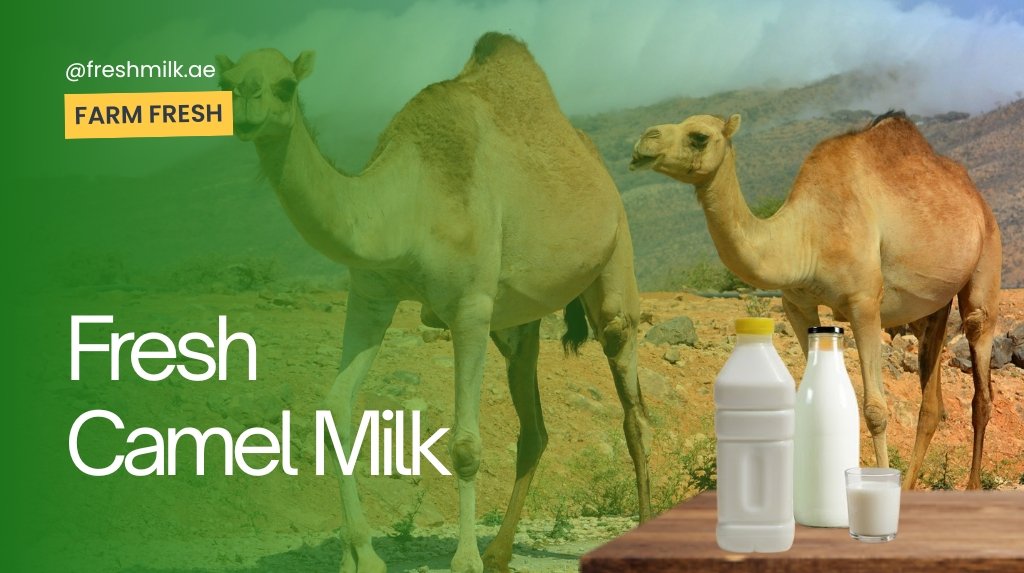
New attention has been given to camel milk in recent years. It is a nutrient-dense dairy alternative. This is because health-conscious consumers are being drawn toward it. Traditional cow’s milk is being replaced by it in many households. In this article, we will explain the benefits of organic camel milk. The nutritional value, uses, and buying tips are also covered. By the end, a clear picture will be formed about why this milk is being added to daily diets around the world.
What Is Organic Camel Milk?
Milk produced without chemical hormones, pesticides, or infections is referred to as organic camel milk. Camels are reared in natural environments on organic feed. Before the “organic” label can be used, certain certification requirements must be fulfilled. Parts of the Middle East, Africa, and South Asia are among the dry regions from which this milk is frequently collected. Camels have traditionally been regarded as a reliable source of food in these areas. Camels’ resistance ensures that farming methods remain viable. When compared to traditional dairy production, land and water resources are used more effectively.
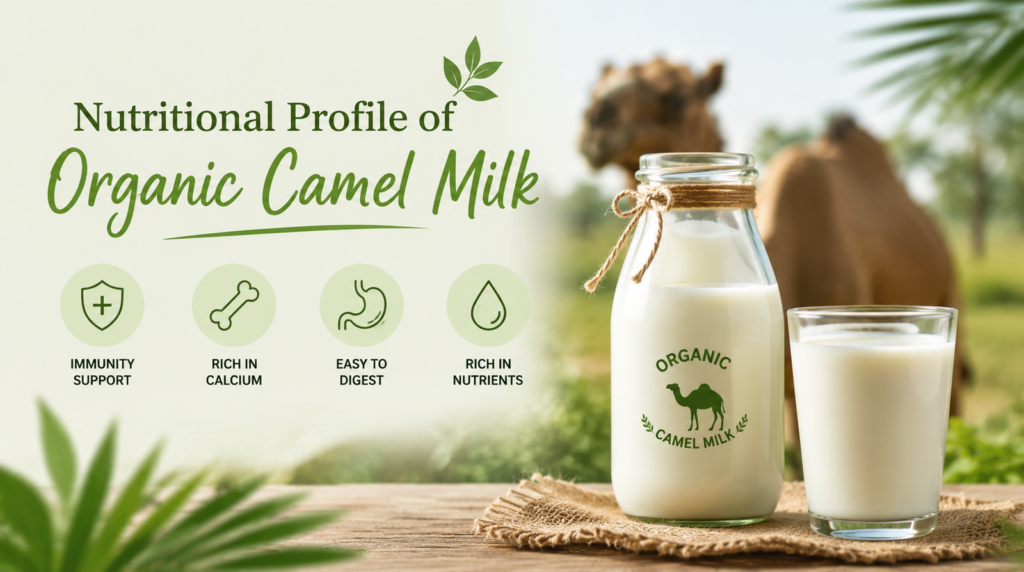
Nutritional Profile of Organic Camel Milk
A rich nutritional profile by providing organic camel milk like Vitamin C, B vitamins, iron, and calcium are found in notable amounts. Unsaturated fatty acids are also present, along with a good protein content. When compared to cow’s milk, camel milk is generally lower in fat and cholesterol. A creamier texture is noted by many, along with a slightly salty taste. Because of this nutrient density, camel milk is often described as a “superfood” by wellness communities, though this term is used loosely and not as a medical classification.
Top Reasons to Add Organic Camel Milk to Your Daily Diet
Immune System Support
Immunoglobulins and protective proteins are found in camel milk. These molecules match those present in the immune system of humans. As a result, regular dietary intake is thought to boost some immune-related effects. Individual outcomes may differ, and no product should be used in place of medical care.
Lower Lactose Content
Lower lactose levels are found in organic camel milk when compared to cow’s milk. Because of this, it is often tolerated more easily by people with mild lactose sensitivity. Digestive discomfort is sometimes reduced as a result. Anyone with a diagnosed lactose intolerance or milk allergy should still consult a doctor before making dietary changes.
Blood Sugar Management
Insulin-like proteins have been identified in camel milk by researchers. Some studies suggest these proteins may play a role in blood sugar regulation. This has led to interest in camel milk among people managing diabetes. However, camel milk should not replace prescribed treatment, and a healthcare provider should always be consulted first.
Gut Health Support
Natural probiotic and prebiotic compounds are believed to be present in camel milk. A healthy gut microbiome is often supported by these compounds. Improved digestion is reported by some regular consumers. As with other health claims, individual experiences differ.
Antioxidant Properties
Antioxidants are found in organic camel milk in meaningful amounts. Oxidative stress in the body is thought to be reduced by these compounds. Chronic inflammation, which is linked to several long-term health issues, may also be lowered. Diets rich in antioxidants are generally recommended by nutrition experts, and camel milk is one of many sources.
Skin Health Benefits
Vitamin C and healthy fatty acids are contained in organic camel milk. Skin nourishment is supported by these nutrients from within. Some people include camel milk in their diet specifically for its skin-related benefits, though topical and dietary effects should not be conflated.
A Gentle Option for Sensitive Diets
Families with nut allergies and sensitivities are becoming more interested in camel milk. Its use in such circumstances has been examined in early research and firsthand accounts. Only after consulting a specialist should significant dietary modifications be made, especially for children of normal age or those with medical conditions.
An Environmentally Sustainable Choice
Camels thrive in dry and semi-arid regions by nature. Compared to cows, camels use less water. Camel farming can be done on land that is not suited for conventional livestock. As a result, the dairy sector frequently considers organic camel milk production to be more environmentally friendly choice.
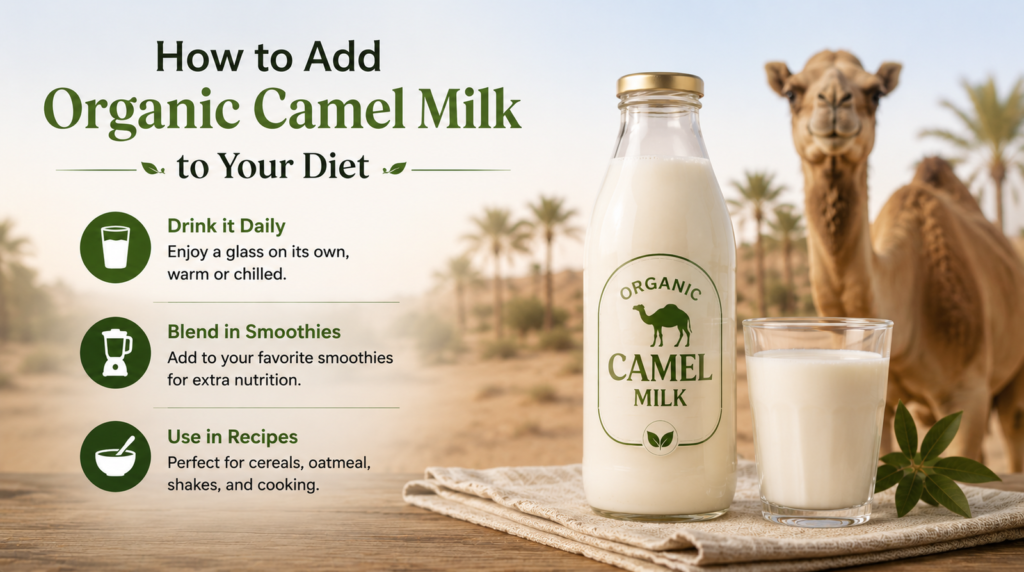
How to Add Organic Camel Milk to Your Diet
Several simple methods can be used to include this milk in a daily routine. It can be consumed plain, either chilled or at room temperature. It can also be blended into smoothies for added nutrition. Coffee and tea are sometimes prepared with it as a dairy substitute. In baking and cooking, it can be used in place of regular milk in many recipes. Fresh, powdered, and frozen forms are all available, depending on availability and storage needs.
Things to Consider Before Buying
Certified organic labels should always be checked before a purchase is made. Sourcing practices and quality assurance standards should be reviewed as well. A higher price point is generally seen for organic camel milk compared to conventional dairy products. This is largely due to limited supply and specialized farming methods. A taste adjustment period should also be expected, since the flavor differs from that of cow’s milk. It is recommended that a small quantity be tried first before a larger commitment is made.

Conclusion
A number of potential benefits are offered by organic camel milk, from immune support to sustainable sourcing. A nutrient-rich profile is provided by it, along with a lower lactose content than cow’s milk. It has gained interest among health-conscious consumers around the world. A healthcare professional should be consulted before adopting it into a daily practice, particularly for people with previous medical histories. Organic camel milk might be worth trying if you’re searching for a healthy, eco-friendly dairy substitute.
FAQS
Can kids drink camel milk?
Children have traditionally been fed camel milk in various areas. However, before adding it to a child’s diet, a paediatric surgeon should be consulted.
Is camel milk safe for expectant mothers to consume?
Many people believe that camel milk is a healthy choice for expectant mothers. However, before adding any new foods during this period, healthcare advice should be obtained.
Where can I purchase organic camel milk?
Common sources include farms, online merchants, and speciality health stores. At the time of purchase, accreditation labels should always be checked.
What is the best way to store it?
Fresh camel milk must be frozen and consumed soon after opening. The manufacturer’s guidelines should always be followed, and powdered versions are typically kept in a cool, dry location.
Make the healthier choice for your family. Buy fresh camel milk from FreshMilk.ae and enjoy farm-fresh quality across the UAE.